
All about How Does Stress Affect Mental And Emotional Health
You might have had a few trainees handling less severe mental health conditions, like stress and anxiety (how does school affect mental health). But today, you might find that there are trainees in every class who have a psychological health problem. What's going on? Have mental health concerns become more typical among students? The answer is yes, although it's made complex.
In 2007, the National Institute of Mental Health reported that pediatric diagnosis of bipolar condition "has actually increased by 40 times over the previous years." Rates of attention deficit disorder (ADHD) increased 5 percent each year from 2003 to 2011. A few of this can be discussed by more attention being paid to kids' mental health.
Nevertheless, research indicates that enhanced diagnostics can just discuss part of the increase. Basically, physician aren't completely sure why more kids are experiencing mental health problems. Exactly how lots of kids in your school are dealing with mental health conditions depends in big part on their age. In general, psychological health concerns end up being more common as kids get older.
It's hard to get data on mental illness among primary and intermediate school trainees. In kids ages two through eight, physician and researchers look for mental, behavioral, or developmental disorders (MBDD). One in seven kids because age group has a condition, but just a portion of those conditions are related to psychological health.
With such a big portion The original source of students handling mental health problems, it's important that principals comprehend the essentials. It is essential that you know how to support students and assist them access the treatment they require - how does poverty affect mental health. Mental disorder can affect anybody. However, specific populations are more at threat. Children residing in poverty are most likely to have a psychological health condition, and half of students involved with social services have a mental health condition, according to the National Center for Kid in Hardship.
The Of How Does Mental Health Affect Same-sex Couples
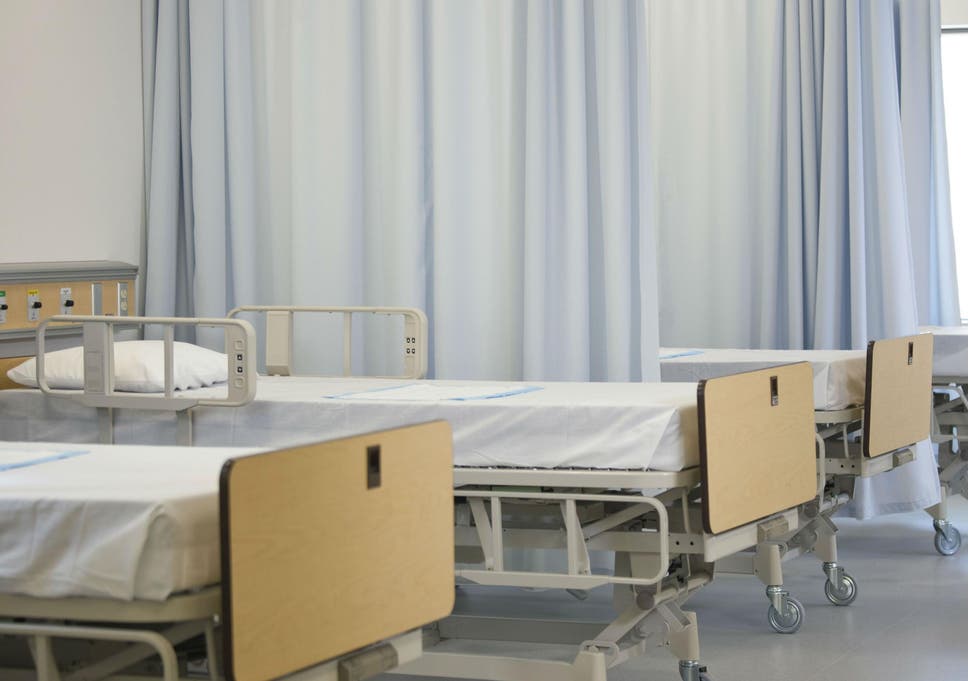
Children who are receiving treatment are more likely to prosper in school, while those with unattended psychological health conditions may experience more trouble. Regretfully, there are racial and ethnic imbalances in access to treatment, with Latino kids being the least most likely to get treatment, the NCCP discovered. You can support trainees and teachers who are most likely coming across mental disorder in their classrooms.
This continues through high school, where kids with mental disorder are most likely to be disciplined and less most likely to graduate. Having early access to treatment vastly enhances outcomes for kids with mental disorder. A school system is frequently crucial in identifying kids who may be struggling. By being informed about mental health risk aspects and conditions, you can help your school neighborhood boost access to treatment.
By developing a school culture where individuals are comfortable discussing mental health, you are equipping your instructors to deal with situations that might otherwise be frustrating. Take a proactive rather than reactive position to students with mental health conditions to enhance your school. Join our Facebook group.
Kids with mental health needs require immediate support from main school onwards to avoid exclusion, which can be both cause and impact of poor psychological health, new research study concludes. The research, led by the University of Exeter, and released in Kid and Teenager Mental Health, concluded that a swift reaction is required, discovering that young individuals with psychological health difficulties were most likely to be left out and likewise suffer ill-effects from exclusion.
Boys who got in school with poor psychological health are at high threat of exemption in main school, which trigger evaluation and intervention may avoid. There were too couple of girls omitted at this early stage in their school profession to be sure if they likewise had poor mental health prior to school entry.
The Single Strategy To Use For How Does Stress Affect Your Mental Health
Teenage young boys omitted at this time demonstrated worse mental health than their peers, but did not seem to struggle more afterwards. Both kids and women who were omitted in between the ages of 15 and 16 years might have bad, and when it comes to girls, deteriorating, mental health. Teacher of Kid and Adolescent Psychiatry, Tamsin Ford said: "This research study offers more proof that poor psychological health may be both domino effect of exemption from school.
Most current government statistics also suggested that exclusions had struck an all-time high during the 2017-18 school year with 7,900 pupils omitted, equivalent to 42 daily. Children in the current study who were omitted from school typically had bad psychological health and faced early family difficulty, signalling the requirement for support for vulnerable children throughout their schooling.
Contributing to what school education support personnel do, there has been restored focus over the past twenty years in the health and social services arenas on increasing linkages in between schools and social work agencies to boost the wellness of young people and their families (how does physical activity affect mental health). This "school-linked services" program has actually included inspiration to advocacy for psychological health in schools.
The merger has actually expanded interest in social-emotional knowing and protective elements as opportunities to increase trainees' possessions and resiliency and minimize danger factors. Therefore, differed policies and efforts have actually emerged appropriate to efforts to enhance Have a peek at this website psychological health in schools. Some straight assistance school programs and workers; others connect community programs and personnel with schools.
Families are experiencing the disaster of suicide in increasing numbers. School and state leaders are trying to find causes and treatments for these crises. The problem of youth suicide and associated psychological health concerns has actually been a severe issue across the Wasatch Front. Several schools in Utah have actually been in the headlines in current years because of the numbers of suicides and suicide efforts by students in typically upper-middle-class areas.
Facts About How Can Personality Disorders Affect Mental Health Treatment Revealed
Exists a common measure in the increase of these issues? Could school size be the perpetrator? Nationally, school shootings have become a a growing number of common incident. Could suicide rates and school shootings be related? Beginning in 2000-01, a research study was carried out by the Maryland State Department of Education.
A full report of the research study was released in June of 2015. The report concluded school size does matter. The study group developed recommendations for state policy makers to consider each problem related to school size Produce a policy developing maximum school sizes by school level (elementary, middle and high).
Institute a competitive grant program to support building and construction of little schools and/or the remodelling of existing big school structures. Such programs would help accommodate school-within-school designs that is, the program would be targeted towards replacing or reconfiguring the most affordable carrying out big schools in the state. Recommend capping registration based on the points at which schools start becoming both less cost effective and less efficient.
The study team does not recommend that schools need to be this large, however no newly built schools need to be enabled to go beyond these limits. It is interesting to note that both Lone Peak High School and Herriman High School, 2 of a number of Utah schools experiencing higher suicide rates, each exceed 2,500 trainees in the present year.
